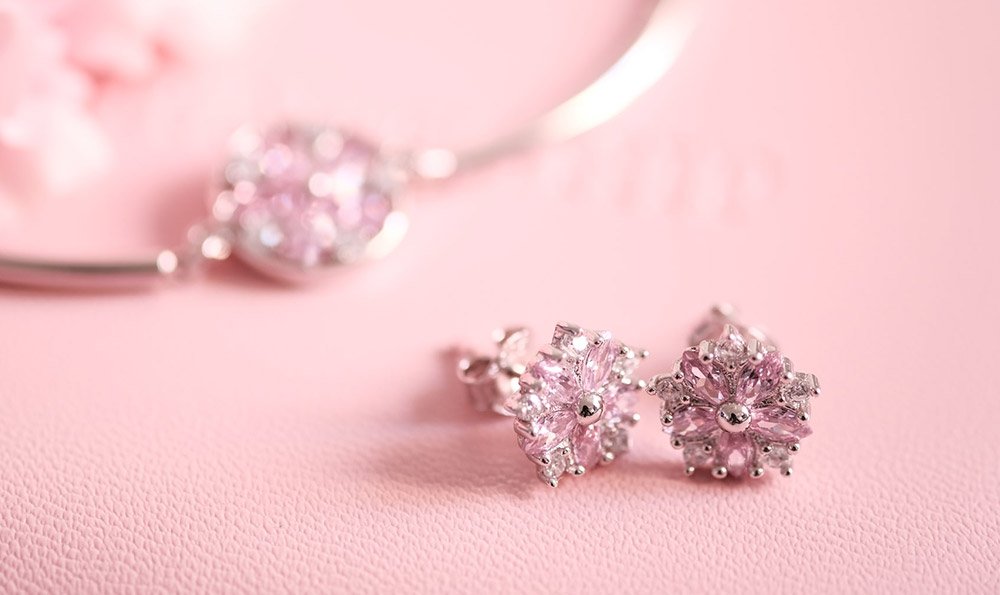
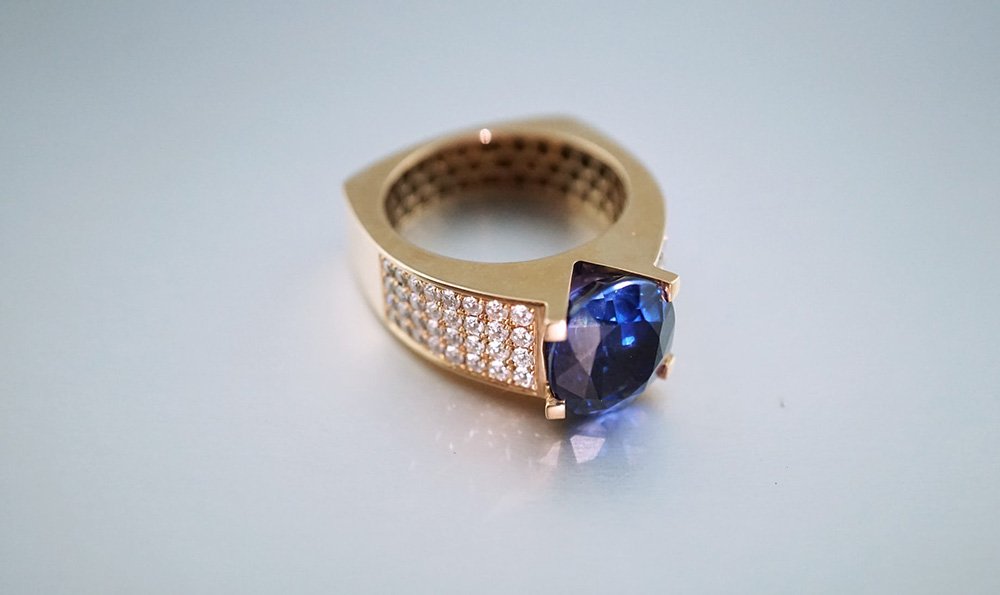
钻石作为一种珍贵的宝石,在全球范围内都备受追捧。它代表着奢华、美丽和永恒,成为许多人追求的梦想之一。本文将为您介绍钻石的定义、特点以及它在珠宝行业中的重要地位。
钻石的定义:
钻石,英文为Diamond,是一种由纯碳元素形成的矿石。它的结晶形态为立方体,拥有极高的硬度和抛光度。钻石的颜色多种多样,从无色到鲜艳的彩色都有。它还具有较高的折射率和抗火性能,因此在珠宝制作中广泛应用。
钻石的特点:
1. 高度耐磨: 钻石是目前地球上最坚硬的物质之一,几乎不会受到日常磨损。
2. 独特光泽: 钻石拥有出色的折射和折射光泽,使其在任何光线下都能闪耀独特的光芒。
3. 赋予珠宝独特价值: 由于其稀有性和美丽,钻石成为制作高级珠宝的首选材料。
钻石在珠宝行业中的地位:
: 钻石在珠宝行业中扮演着重要的角色。它们被用于制作各种珠宝饰品,例如戒指、项链、耳环等。钻石还被用于装饰手表、皮具和其他奢侈品。无论是在高级定制珠宝还是大众消费品市场,钻石都是不可或缺的元素。
钻石的鉴定标准:
: 在钻石行业中,有一套鉴定钻石质量的标准,也称为4C标准:颜色(Color)、净度(Clarity)、切工(Cut)和克拉重量(Carat)。这些标准是确定钻石质量和价值的关键因素。通过鉴定,消费者可以根据自己的需求选择最适合的钻石。
钻石的投资价值:
: 除了珠宝制作,钻石也被视为一种稳定的投资选择。由于钻石的稀缺性和持久价值,它们往往能够在市场上保持较高的价值。许多投资者选择将钱投资于钻石,以实现长期的财务增长。
钻石与其他宝石的比较:
: 相比其他宝石,钻石有其独特之处。与宝石如红宝石、蓝宝石和祖母绿相比,钻石具有更高的硬度和抛光度。它们的光泽和折射也不可比拟。钻石在珠宝市场中享有广泛的认可和青睐。
钻石作为一种珍贵的宝石,不仅拥有高度耐磨的特点,还赋予珠宝无与伦比的价值和魅力。它在珠宝行业中扮演着重要的角色,成为高级定制和大众消费品市场的关键元素。无论是作为珠宝饰品还是投资选择,钻石都是一种永恒而独特的选择。
钻石英文DIAMOND
Diamond is a highly valued gemstone that is widely recognized for its brilliance, durability, and rarity. This article aims to provide a comprehensive overview of the diamond industry, focusing on its production, distribution, and market trends.

Production of diamonds begins with the exploration and extraction of rough stones from diamond mines, which are predominantly located in countries such as Russia, Botswana, and Canada. These mines employ advanced technologies and rigorous processes to ensure the quality and quantity of diamonds extracted. Once the rough diamonds are obtained, they undergo a series of cutting, polishing, and shaping processes to enhance their brilliance and market value. Skilled craftsmen and cutting-edge machinery are utilized to achieve precision and accuracy in these processes.
After the diamonds are cut and polished, they are ready for distribution. The diamond industry consists of various players, including miners, manufacturers, and retailers. Miners sell rough diamonds to manufacturers, who further process them and create finished jewelry pieces. These manufacturers then supply the diamonds to retailers, who sell them to consumers. The distribution network is often complex and involves multiple intermediaries, ensuring that diamonds reach their final destinations, such as jewelry stores or online platforms.
The diamond market is influenced by various factors, including global economic conditions, consumer preferences, and cultural traditions. For instance, during periods of economic prosperity, demand for diamonds tends to increase, as consumers have disposable income to invest in luxury goods. Similarly, cultural preferences play a significant role, with some societies placing more emphasis on diamond jewelry as a symbol of wealth, status, and love. Additionally, consumer awareness and preferences have shifted towards sustainable and ethical sourcing of diamonds, driving the industry to adopt responsible mining practices and certifications like the Kimberley Process.
In recent years, the online diamond market has witnessed significant growth. Online platforms provide consumers with a wide range of options, competitive pricing, and convenience in purchasing diamonds. Moreover, online retailers often provide detailed information about the diamonds' cut, clarity, color, and carat weight, empowering consumers to make informed decisions. However, the traditional brick-and-mortar stores still hold their significance, as customers value the experience of physically examining and trying on diamond jewelry before making a purchase.
The diamond industry faces several challenges and risks. One of the significant challenges is the threat of counterfeit or treated diamonds entering the market. To address this issue, industry organizations, such as the Gemological Institute of America (GIA), have developed advanced identification techniques and grading standards to ensure the authenticity and quality of diamonds. Another challenge is the fluctuating prices of diamonds, which are influenced by market forces such as supply and demand dynamics, currency rates, and global events. Market participants need to stay updated and adapt to these price fluctuations to remain competitive.
In conclusion, the diamond industry encompasses various aspects, from the production and distribution of diamonds to market trends and challenges. The industry relies on advanced technologies, skilled craftsmanship, and a robust distribution network to meet the demands of consumers worldwide. With continuous innovation and adaptation, the diamond industry continues to shine bright as a symbol of luxury, beauty, and everlasting love.
钻石的英文宣传
Part 1: Introduction

Diamond, the king of gemstones, has always captivated people with its beauty and rarity. Its English promotion has been an essential part of the diamond industry. This article aims to objectively present the significance, market demand, and marketing strategies of diamond promotion.
Part 2: The Significance of Diamond Promotion
At the core of diamond promotion lies its significance as a symbol of love, prestige, and eternal commitment. Diamonds are not only adored by individuals but also considered a crucial investment. The promotion of diamonds plays a vital role in maintaining the industry's growth and strengthening its market presence.
Part 3: Market Demand for Diamonds
The global demand for diamonds has been steadily increasing over the years. With the rising middle class in emerging economies and the changing preferences of consumers, diamond promotion has become crucial to attracting potential buyers. The demand for diamond jewelry, especially engagement rings, has been a driving force behind the focus on persuasive advertising campaigns worldwide.
Part 4: Marketing Strategies in Diamond Promotion
To ensure effective promotion, the industry utilizes various marketing strategies. Firstly, creating emotional connections through storytelling has proven to be successful. Advertisements often depict heartwarming stories of love and commitment, associating diamonds with deep emotional values. Additionally, influencers and celebrities are frequently engaged in promotional activities to enhance the appeal and desirability of diamonds.
Part 5: The Role of Social Media in Diamond Promotion
Social media platforms have revolutionized the way diamonds are promoted. Through engaging content and interactive campaigns, diamond companies strive to capture the attention of younger generations. Instagram, for example, serves as a powerful tool for showcasing diamond jewelry and reaching a wider audience. This digital era has opened up new avenues for diamond promotion, increasing its reach and impact.
Part 6: The Importance of Diamond Certification
Diamond certification has become an integral part of the promotion process. Certificates from renowned grading laboratories provide consumers with assurance regarding a diamond's quality and authenticity. The emphasis on certification in promotional materials enhances the credibility of the product and instills confidence in potential buyers, resulting in increased sales.
Part 7: The Role of Sustainable Practices in Diamond Promotion
In recent years, there has been a growing focus on sustainable practices within the diamond industry. The promotion of ethically sourced and environmentally friendly diamonds has gained significant momentum. Consumers are increasingly conscious of the origin and impact of their purchases, making sustainability a crucial aspect of diamond promotion.
Part 8: International Diamond Promotion
Diamond promotion is not limited to specific regions. International campaigns and events, such as trade shows and fashion weeks, play a vital role in expanding the global reach of diamond companies. Collaborations with renowned designers and endorsements from celebrities further propel the international promotion of diamonds.
Part 9: Challenges and Future Prospects
Diamond promotion does face challenges, such as the presence of synthetic diamonds and the evolving customer preferences. However, the industry's ability to adapt and capitalize on emerging trends, such as personalized jewelry and online retail, will determine its future success. Diamond promotion will continue to evolve and innovate to cater to the ever-changing market demands.
Part 10: Conclusion
In conclusion, the English promotion of diamonds serves as a critical element in the diamond industry. Through effective marketing strategies, storytelling, social media engagement, and sustainable practices, diamonds continue to capture the hearts of consumers worldwide. With the constant evolution of the industry, diamond promotion remains indispensable for sustaining its growth, appeal, and market dominance.